“There’s No Way”: One Year to Bring Treatment to Children in Taiwan
2026/10/06



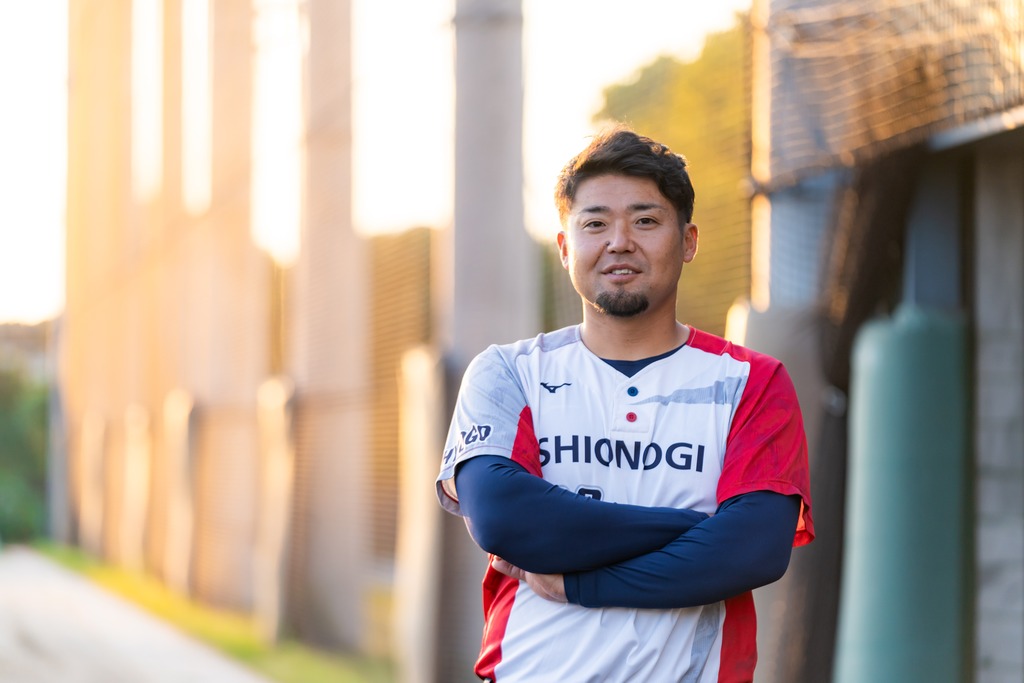
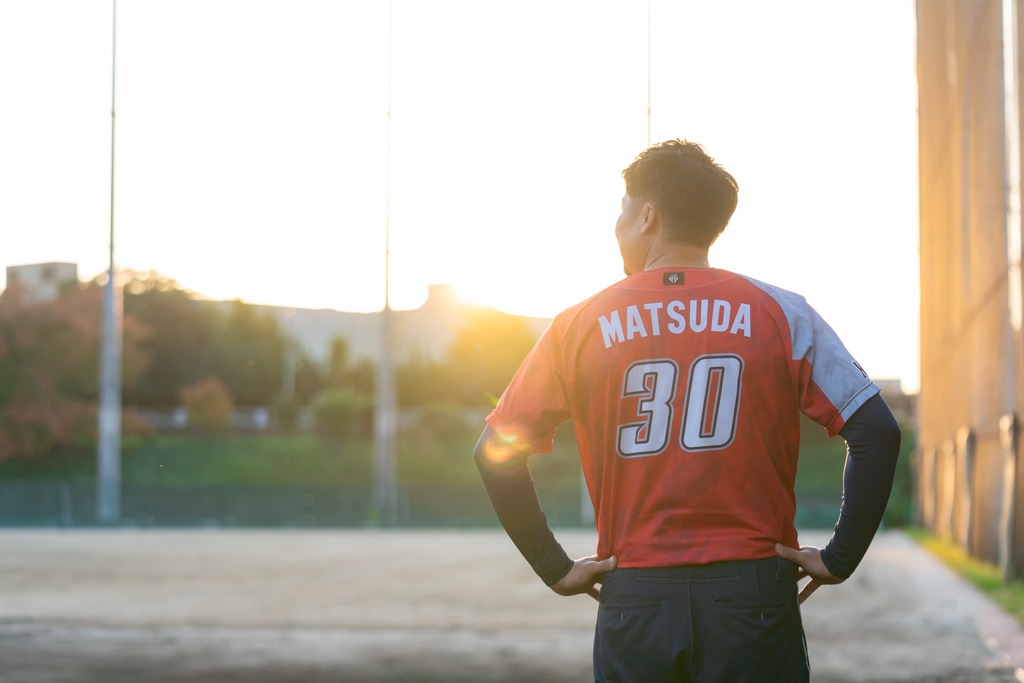
Founded in 1949, the SHIONOGI Rainbow Storks are now in their 78th year. The team is led by Head Coach Hikaru Matsuda, one of Japan's top softball players. During his playing career, he reached the top of the world as a two-way player who both pitched and hit.
The team now wants to take the next step. It is combining Coach Matsuda's philosophy of "winning in order to enjoy the game" with its long-standing tradition of balancing work and sport. So what does corporate sport mean to the SHIONOGI Group, whose mission is to bring health to society? The answer reflects its philosophy as a healthcare company.
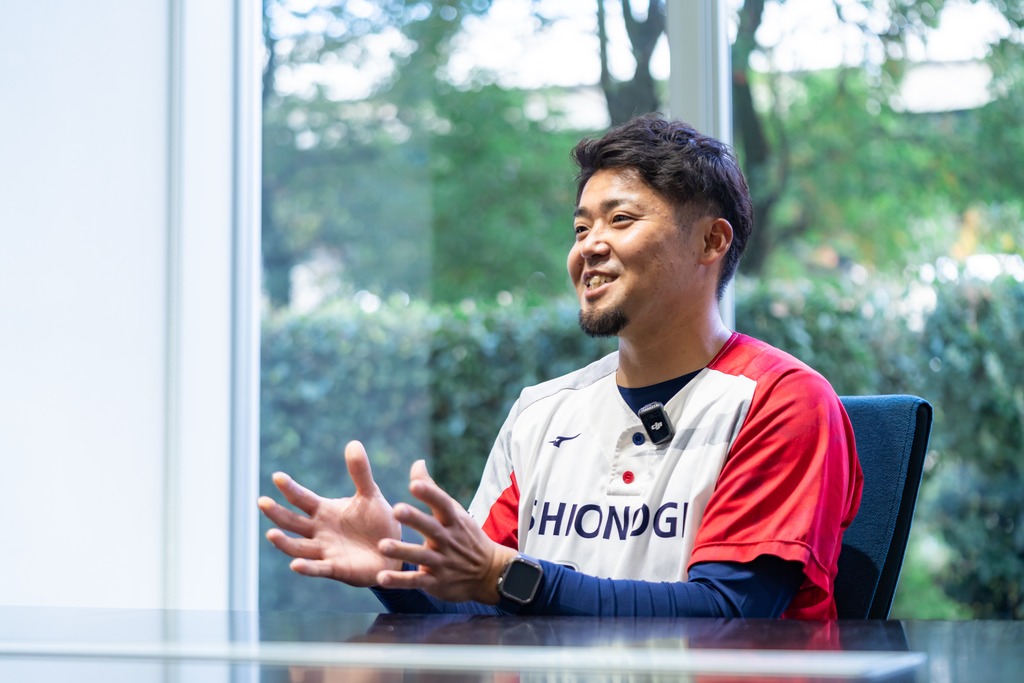
— 94 career wins, a .380 batting average, and 75 home runs. That's an extraordinary record. How did you master both pitching and hitting?
Coach Matsuda (Matsuda): Honestly, I never set out to be a two-way player. Ever since I was a kid, I just wanted to play in as many games as possible, and doing both was how I made that happen. If I gave up a hit, I could win it back with my own bat. Being a two-way player never felt special to me. It was simply the way I enjoyed softball most.
— You became a two-way player so you could play in more games. That shows how much you loved the sport. Did you stand out from a young age?
Matsuda: No, not at all. Through high school I was short, my pitches only reached about 110 km/h, and I didn't really stand out. The turning point came at university. In just two weeks during my first year, my pitching speed jumped by nearly 20 km/h. I think my growth spurt, my training, and the way I used my body all came together at that moment.
Until then, I got hitters out with breaking balls and by outthinking them. Once speed became my weapon, I could challenge them head-on, and the game became even more fun.
— Did anything change once you discovered what makes softball truly fun?
Matsuda: I started putting enjoyment first. I wanted to enjoy the game more than anyone. To do that, I had to win, and to win, I had to practice. Over time, I came to see practice as something that exists so we can enjoy the game. That created a positive cycle, and my results improved too. I believe it led to my runner-up finish with the Japan men's national team at the 2019 World Championship and to being named WBSC Player of the Year*. I tell my players not to treat hard training as the goal. It should be preparation for truly enjoying the game. I don't want them to end up hating softball because grueling practice became the point. I want them to win, enjoy themselves, and play their careers through to the end.
*WBSC Player of the Year: The sport's highest honor. Each year, the WBSC (World Baseball Softball Confederation) chooses one baseball player and one softball player as the year's best in the world. Coach Matsuda received the award in 2019.
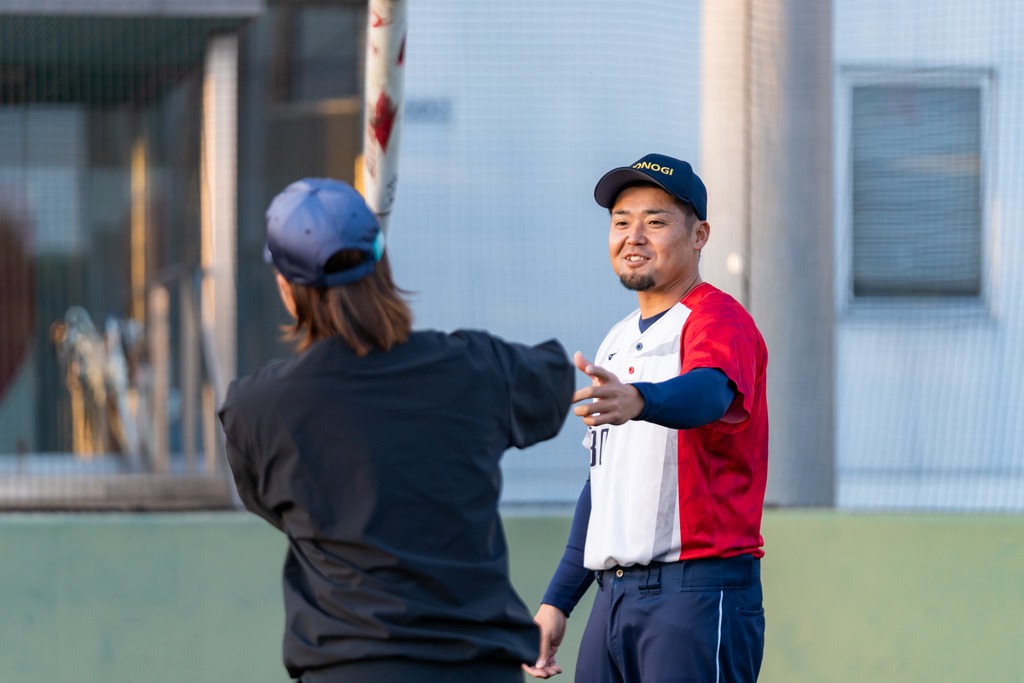
— You became head coach of the SHIONOGI Rainbow Storks (then the Shionogi Rainbow Storks Hyogo) in January 2023 and led the team to the playoffs in 2024. You're also a coach for the Japan women's national softball team. What matters most to you as a coach?
Matsuda: Not giving players too many answers. Every player has a different build and different instincts, so there's no point forcing my "right answer" on them. I want them to start from the player they want to become, work backward, and choose the information they need for themselves. My goal is to develop independent players who can read a game situation in an instant and make smart, instinctive decisions on the field.
— So instead of passing on your own formula for success, you value players finding answers for themselves. Next, tell us about the 2025 season.
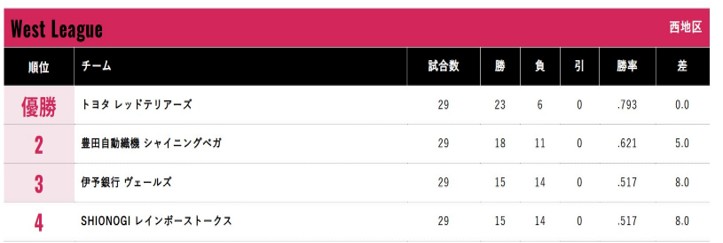
Matsuda: We finished fourth in the JD.LEAGUE West Division, which was very frustrating. We had the same winning percentage as the third-place team, but head-to-head results decided the standings. I've been direct with the players: one more win would have changed everything.
One more hit in that situation, one more out on that play, and we would have reached the playoffs with a chance at the national title. The key to the team's next step is whether each player can take that weight personally instead of treating it as someone else's problem.
— What are the team's strengths, and where does it need to improve?
Matsuda: Our players are genuinely upbeat, and the team has a great atmosphere. Our offense stands out, with speed on the bases and power at the plate. Our defense still needs work, though. Too often, errors lead to runs and throw us off rhythm. We need the consistency to reliably make the plays we should make.
To get the most out of our offense, our strategy centers on building a solid defense and becoming a team that doesn't beat itself.
— What specific steps are you taking to address this?
Matsuda: We rely heavily on data. When results aren't coming, players tend to go by impressions and gut feeling. But numbers don't lie. Players need to face the objective data, like the hits that aren't coming and their error rates, and accept where they stand today. Only then can they see what to fix.
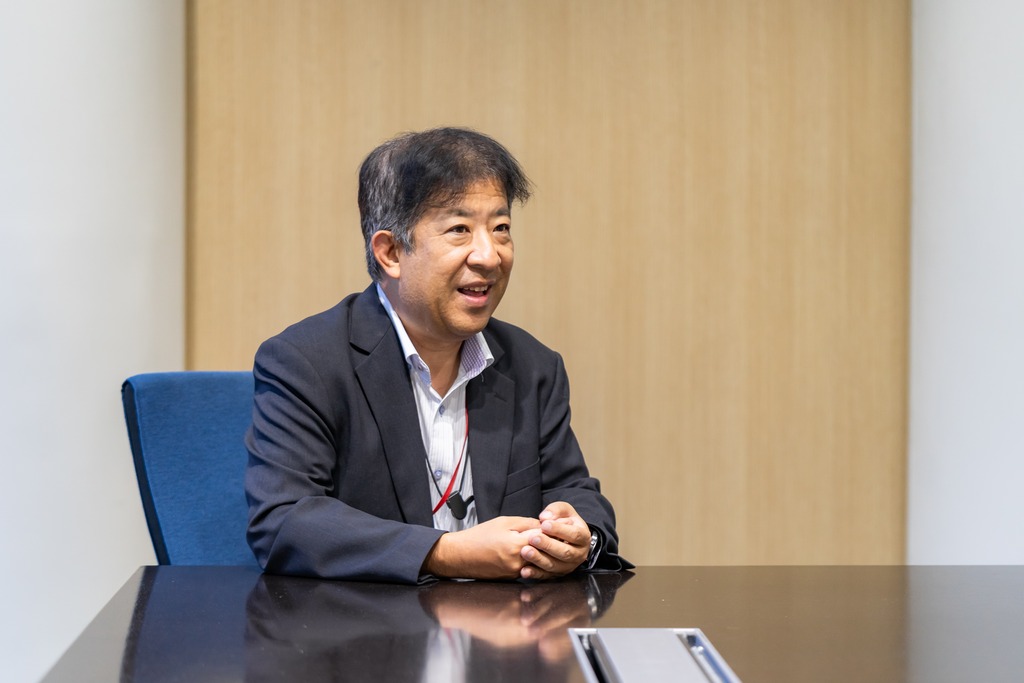
— Next, we'd like to hear from Team General Manager Tanaka. Why did you bring in Coach Matsuda?
Mr. Tanaka (Tanaka): Until now, our head coaches have been former players of the team, and each helped build its foundation in their time. To take the team to the next level, we felt we needed a fresh perspective from outside. Coach Matsuda has a world-class track record. Above all, as a two-way player, he knows both pitching and hitting inside out. We also felt that getting our players used to his fastballs would give them a big advantage in real games.
What also impressed us was that, despite his exceptional skill and experience, he is always humble and listens to the people around him. After we asked him to work with us as a guest coach, the team strongly asked us to bring him on for good. With his pitching speed, his technique, and his character, we were confident the team would improve both technically and physically. That's why we appointed him.
— The SHIONOGI Rainbow Storks strongly believe in being "a working professional first, an athlete second." Can you tell us more about how the team is run?
Tanaka: Our players join as employees of Shionogi Pharma, a group company of Shionogi & Co., Ltd., and balance work with sport. We do this because we want them to have a fulfilling life as members of the SHIONOGI Group long after their playing days are over.
During the season, the focus is on competing. In the off-season, they do the same work as other employees, gain work experience, and train after hours. Some may wish they had more time to practice, but this gives them a clear path to success after they retire from competition. It has been our tradition and our pride since the team was founded. Because their careers after retirement are clear, they can commit fully to softball while they're playing, and we value that.
Our players have played softball through high school and university, so they have strengths that carry over well beyond the sport. We also see real value, in terms of workforce diversity, in having athletes as colleagues.
— What kind of person are you looking for among those hoping to join the team?
Tanaka: We're looking for people with a strong drive to reach the top level in softball and a desire to become independent working professionals. Balancing work and sport is never easy. But players who think about how to make it work in that environment, and keep trying new approaches, will do well in society after they retire. We want to build the team's future with people who share our values.
— Tell us about the team's mission and its vision for the future.
Tanaka: The SHIONOGI Rainbow Storks are part of the SHIONOGI Group, a healthcare company. Our players competing with energy and vitality are a direct expression of health, a value the SHIONOGI Group cares deeply about. Through them, we want to build an internal culture that motivates employees and respects diversity. Through youth development and social contribution activities in our community, we also want to show society that we are a company that supports healthy lifestyles. That is our mission.
— Finally, Coach Matsuda, what kind of team do you want the SHIONOGI Rainbow Storks to become?
Matsuda: Our goal is to be a team loved by our community, our company, and everyone. The company's support is what lets us devote ourselves to softball, and the best way to show our thanks is to deliver results. Our players work hard every day to balance a demanding schedule of work and training. We want people who watch them to think, "SHIONOGI's team is amazing" and "I want to support them." So we'll keep striving both to win and to grow. We're aiming for the national championship, and we'll do our best to give our fans exciting games to watch!