A World-Class Two-Way Player Brings Fresh Energy to a Storied Tradition
2026/09/28



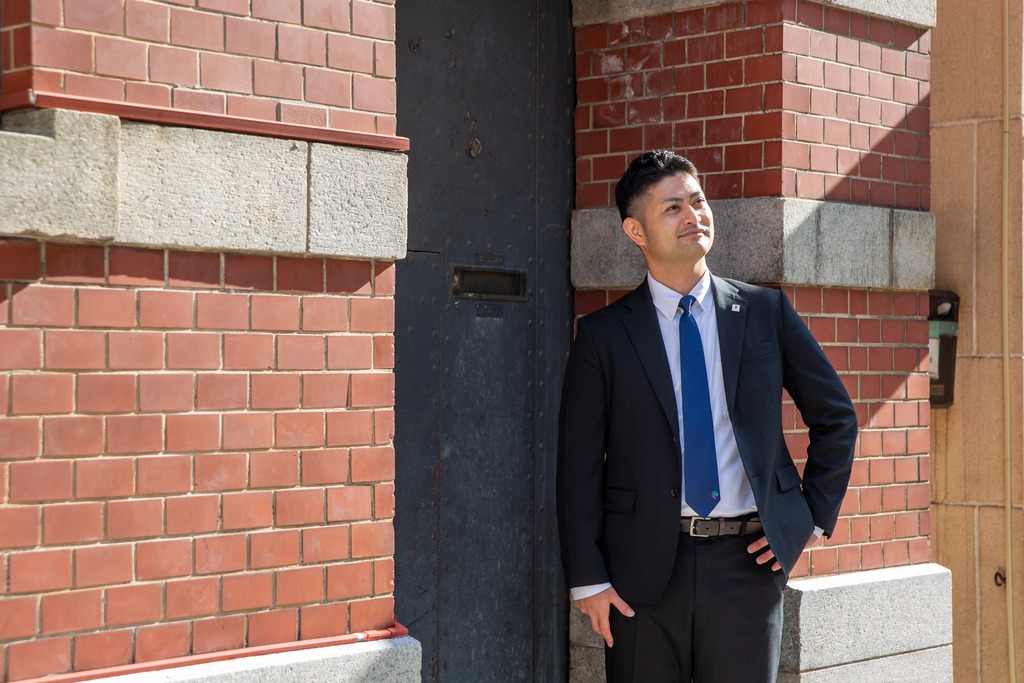
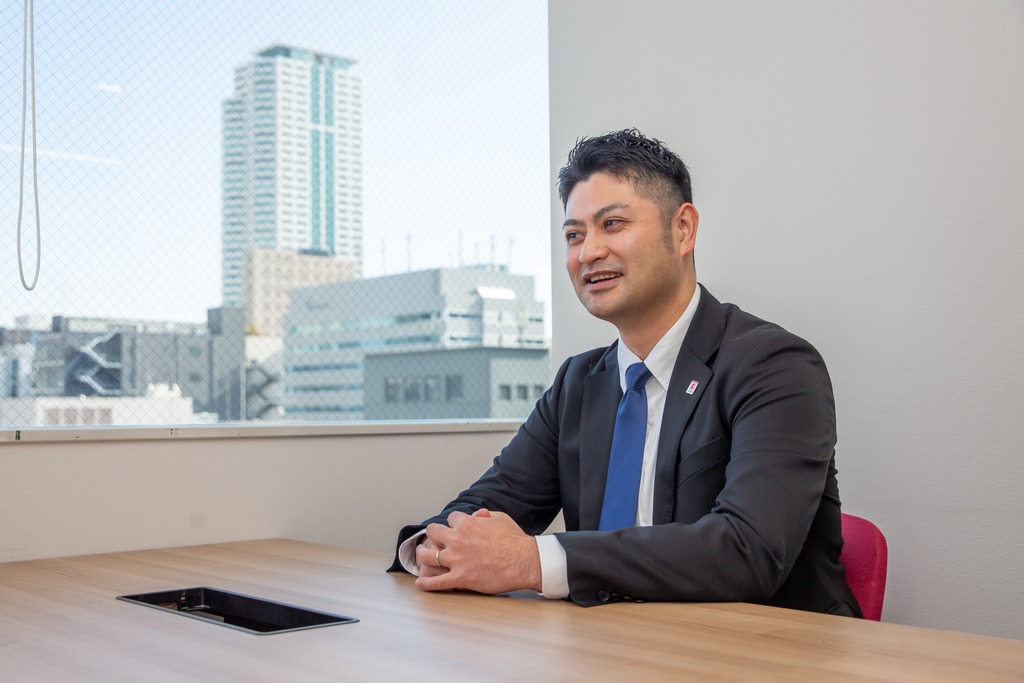
My role is to serve as a liaison between Taiwan Shionogi & Co., Ltd. (Taiwan Shionogi) and Shionogi & Co., Ltd. headquarters in Japan. I connect the priorities of the Taiwan team with decision-making at headquarters and help projects move forward smoothly. For this project, I was responsible for expanding the pediatric indication of an anti-influenza treatment in Taiwan and, beyond that, securing its inclusion in the government stockpile.
Why was the pediatric indication so important in the first place?
Influenza is treated somewhat differently in Taiwan than it is in Japan. In Japan, patients diagnosed with influenza are generally prescribed an antiviral right away. In Taiwan, however, influenza is often viewed as a type of common cold, and many patients are advised to rest and manage their symptoms with fever reducers and other medicines. When antivirals are used, about 80% of the patients receiving them are children.
There is another important factor. During influenza season, antiviral medicines held in Taiwan’s government stockpile are provided to patients using public funds. In other words, a treatment can become widely accessible only after it is selected for the government stockpile.
The Taiwan CDC therefore wanted to stockpile a treatment that could be used for children, who need it most. To bring the treatment to children across Taiwan, we had to accomplish two things: obtain approval for pediatric use and secure its inclusion in the government stockpile.
.jpg)
Time. Obtaining approval for a pediatric indication normally takes close to two years. To meet the Taiwan CDC’s target timeline, we had to complete the process within a single year. Honestly, I thought, “There’s no way we can do this.”
Then, partway through the project, we had to make a major change in direction. When reviewing applications, Taiwanese authorities place considerable weight on approval status in other countries, particularly the United States. The challenge was that pediatric dosing for the anti-influenza treatment differed between Japan and other markets. We had initially planned to proceed with the Japanese dosage, but after extensive discussion, we decided to adopt the US dosage. That meant changing both the supporting documents and the contents of the application midway through the process. Every day, we checked and rechecked: “Is this right?” “Do we have that document?” We simply kept moving forward.
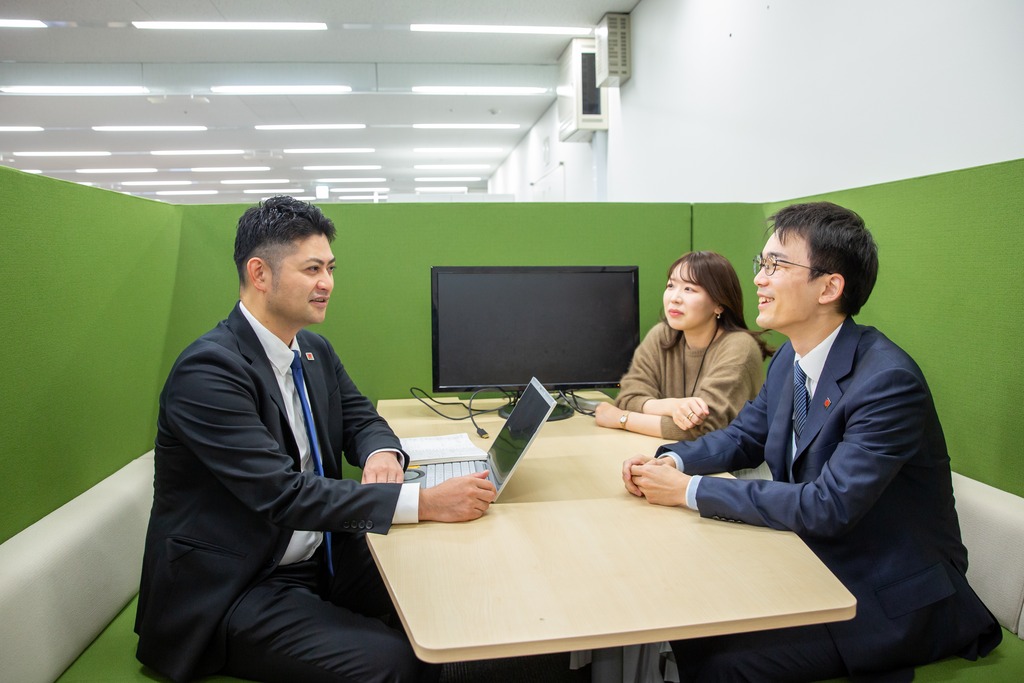
At first, I sometimes wondered whether it would be faster for each department to communicate directly. In practice, however, having us in the middle to consolidate information and coordinate across teams made the process far more efficient.
What mattered most was how quickly we responded to questions from the Taiwan CDC. When the Taiwan team visited the agency and received a question, they would contact us the same day and tell us what had been asked and when they hoped to provide an answer. We would bring the relevant departments together and decide on a course of action in real time, rather than exchanging a long chain of emails. Responding as quickly as possible became a shared goal for everyone involved.
Every prompt response to the Taiwan CDC brought the day when the treatment would reach children in Taiwan a little closer. That was the purpose behind the team’s speed.
Since its establishment in 1963, Taiwan Shionogi has delivered medicines in Taiwan for more than 60 years. Inclusion of the anti-influenza treatment in the publicly funded government stockpile was a goal the company had pursued since 2017.
What was the Taiwan Shionogi team like?
They are close-knit, and they work quickly. They are also united behind an ambitious goal: to eliminate deaths from influenza. I was deeply impressed by their commitment.
When negotiating with the government, we drew heavily on the trust Taiwan Shionogi had built over many years of delivering medicines in Taiwan.
What did you learn from this project?
I learned how much becomes possible when people work together. This project showed me firsthand that even something no one could ever accomplish alone can become achievable when many people unite behind a common goal. The plan I initially thought was impossible moved forward with speed and quality beyond anything I had imagined, thanks to experts from numerous departments in Taiwan and Japan coming together and sharing their knowledge. Through our discussions as a team, ideas and solutions emerged one after another, including many I would never have conceived on my own. I am convinced that this way of working can serve as a model not only for Taiwan, but for other countries as well.
In October 2023, an agreement was reached with the Taiwan CDC to include the treatment in the government stockpile. It meant a new treatment option for children in Taiwan.
Looking back, what stays with you most?
It was a major challenge, far beyond anything I imagined when I first moved to the Global Business Unit, but I was able to overcome it with the support of many people. One phrase from a colleague at Taiwan Shionogi still stays with me: “humanity’s never-ending battle against viruses.” As one of those fighting that battle, I hope to keep making a difference for patients around the world with a global perspective.