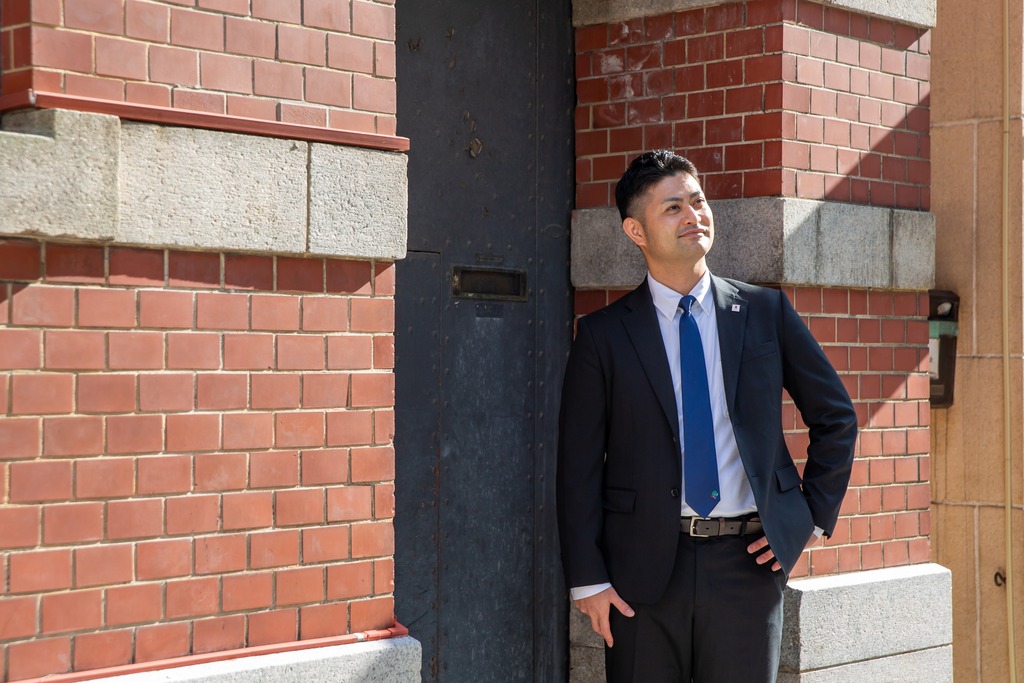
“There’s No Way”: One Year to Bring Treatment to Children in Taiwan
2026/10/06



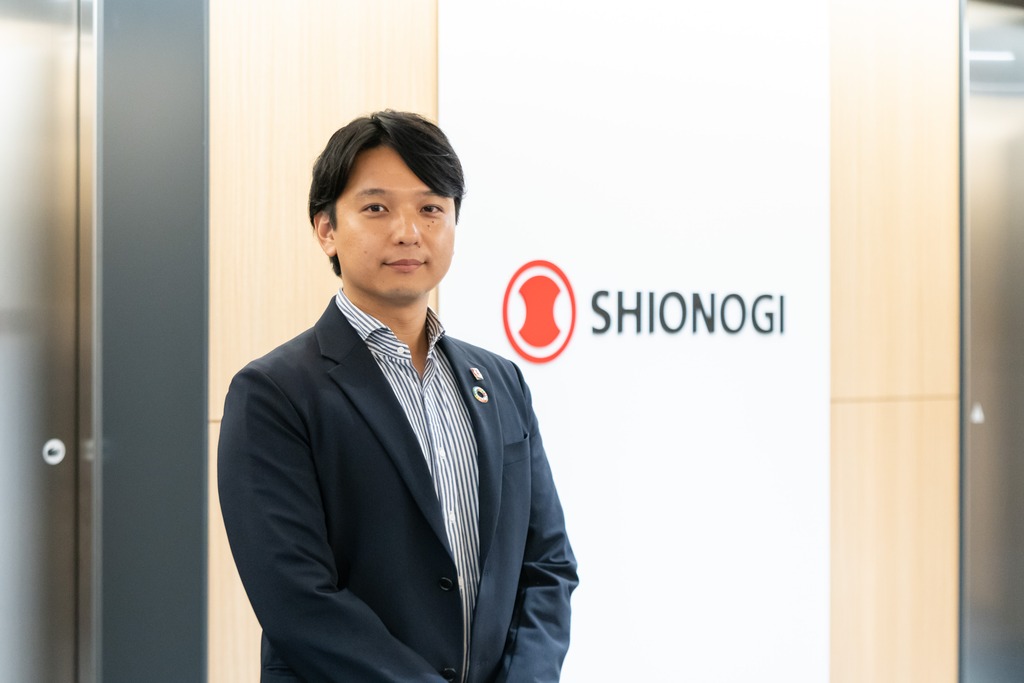
Growth and career success at a company shouldn’t come to a stop at retirement age. That is the thinking behind the changes Shionogi is now making to how its employees work. Under a revision to its HR system scheduled for April 2027, Shionogi will raise the mandatory retirement age from 60 to 65 and introduce a framework that allows employees to keep working beyond 65 as long as both they and the company wish to continue. The company also plans to revise its retirement benefit plans and grant shares to employees.
With the retirement “wall” gone, some people may wonder, “So how long am I actually expected to work?” But this revision is not simply about working longer. Precisely because there will be more options for working longer, it becomes all the more important for each person to think proactively about how they want to work and what kind of life they want to lead. In that sense, the extended retirement age can also serve as an opportunity for employees to rethink their own careers.
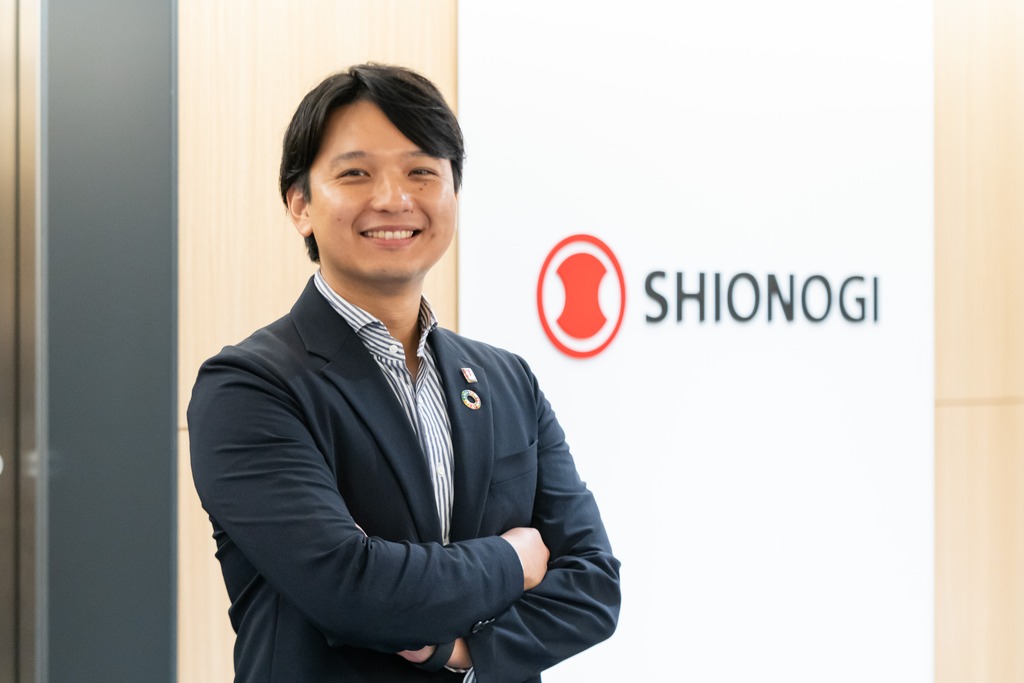
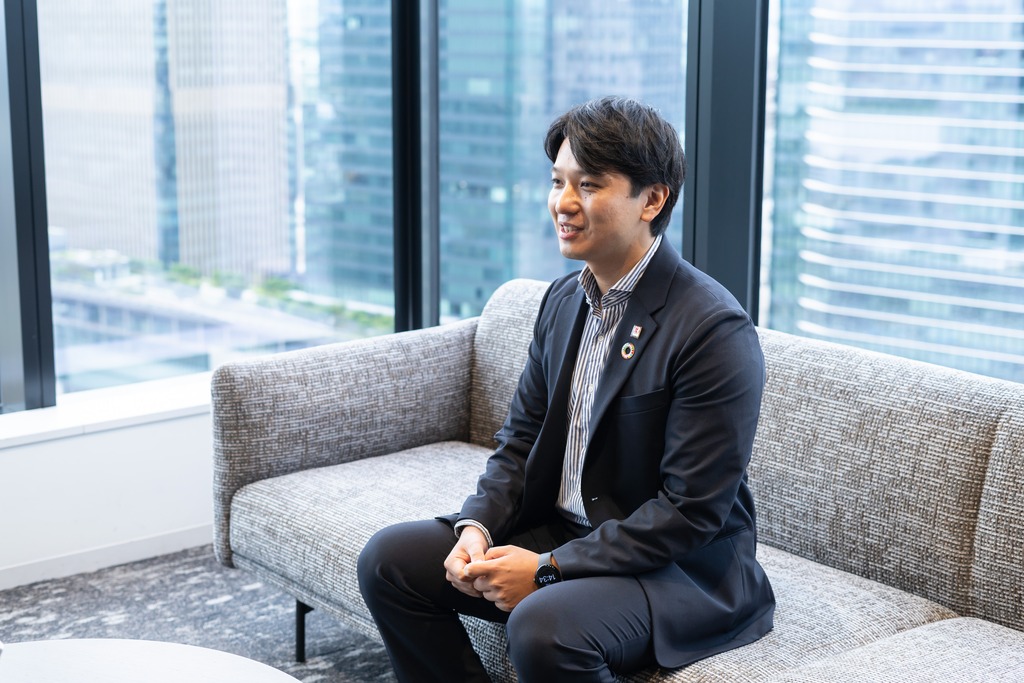
So what exactly is changing, and what thinking lies behind these changes? We spoke with Naoya Takahashi of the Domestic HR Systems & Recruitment Group in the Human Resources Department, one of the members of the project team behind the revision. Having joined the company in 2016, he is in his thirties—a generation for whom retirement may still seem a long way off. As someone who designs the system and is, at the same time, one of the employees it will affect, he shared his perspective.
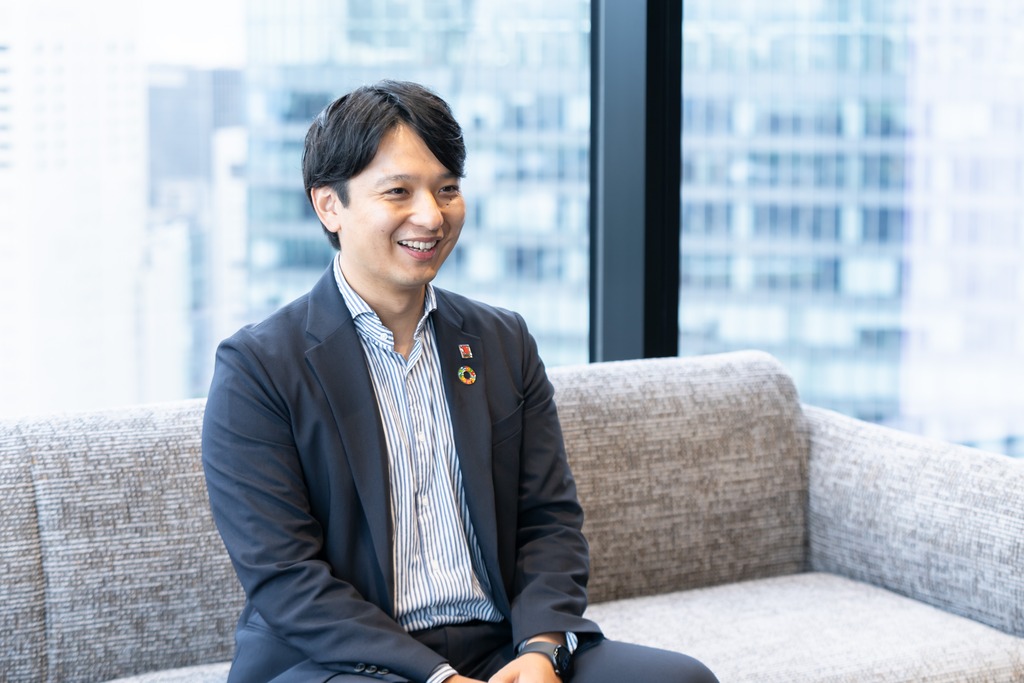
—Could you tell us about your career so far and your current role?
Takahashi: I joined Shionogi straight out of university in 2016 and began my career as an MR (medical representative). I had always been interested in corporate functions, so in 2021 I applied through the internal job posting system and moved to the IR Group in the Corporate Communications Department, which serves as the point of contact for shareholders and investors. I was entrusted with work I never had the chance to do as an MR, such as financial results disclosures and meetings with investors, and I feel it helped me develop the ability to see things from a perspective closer to management. Along the way, I came to want a role that supports the growth of people and organizations to drive the further growth of the SHIONOGI Group, and in 2025 I transferred to the Human Resources Department through a second internal job posting. I’m now on the Domestic HR Systems Team within the Domestic HR Systems & Recruitment Group, where I handle the operation of our HR systems in Japan, plan revisions to them, and manage system transitions associated with company integrations.
Shionogi has a long history of supporting employees who take on challenges to shape their own careers through the internal job posting system. I’m one of the people who used this system to get the chance to pursue the work I wanted to do. That said, not everyone moves from role to role. Some people keep deepening their expertise in a single field, while others broaden their perspective and capabilities by gaining experience in several roles. Rather than having the company lay out a one-size-fits-all career path, I believe an important role of the HR Department is to create an environment where each person can think about a career that suits them and choose it for themselves. For that, it’s also important that opportunities to take on challenges and make an impact don’t narrow with age. This revision, too, is about further building an environment where everyone, regardless of age, can think about and choose their own career of their own volition.
—What thinking gave rise to this HR system revision?
Takahashi: The HR Department has long been working to create an environment where diverse talent can perform at their best in their own way. We introduced a flextime system so that each person can work flexibly, and we have also broadened the range of work styles available by introducing options such as side jobs and an optional four-day workweek.
On the compensation side, in 2023 we revised our evaluation and grading system and, in line with that, re-graded employees. Under the new system, people are evaluated and compensated according to the roles they take on and the capabilities they demonstrate, rather than their age or length of service, and they are promoted or demoted in grade based on the results. Promotion after a single year is also possible, and in fact it has become easier than before for people in their mid-thirties to become managers.
This revision is an extension of that ongoing effort to remove, one by one, the constraints on employees’ opportunities to grow. And the constraint we’re now setting out to remove is “age.” Rather than being a fix for a particular problem, this revision is about building further on the initiatives we’ve put in place so far.
—Is it also connected to the globalization of the business and company integrations?
Yes. We don’t see the extended retirement age in isolation. The series of HR system revisions now underway are all part of building the talent and organizational foundation needed to achieve the SHIONOGI Group’s Vision 2030, including Shionogi itself, and to sustain growth beyond that.
As the SHIONOGI Group expands its business further around the world, and as diverse talent both in Japan and overseas play an active role, we need to create an environment that makes the most of each person’s role and abilities, regardless of differences such as age, the company they belong to, or nationality. The extended retirement age is one part of that. The idea is not to cut off opportunities to contribute based on age alone, but to build a system where motivated and capable people can keep contributing for longer.
At the same time, to make better use of talent globally, it’s important to have a shared approach and common standards across the Group for grading, evaluation, and compensation, while taking into account each country’s laws and employment practices.
We want to put systems in place that allow people to move across borders and contribute where they’re best suited.
In Japan, as a result of company integrations following M&A, people who have been working under different systems are joining Shionogi. So we are also integrating our HR systems to ensure that no one is treated differently in terms of compensation or opportunities based on the company they originally came from.
The extended retirement age, our response to globalization, and the system integration accompanying company integrations are not separate initiatives. We see them as one coordinated set of HR system reforms to help diverse talent perform at their best and drive the growth of the SHIONOGI Group.
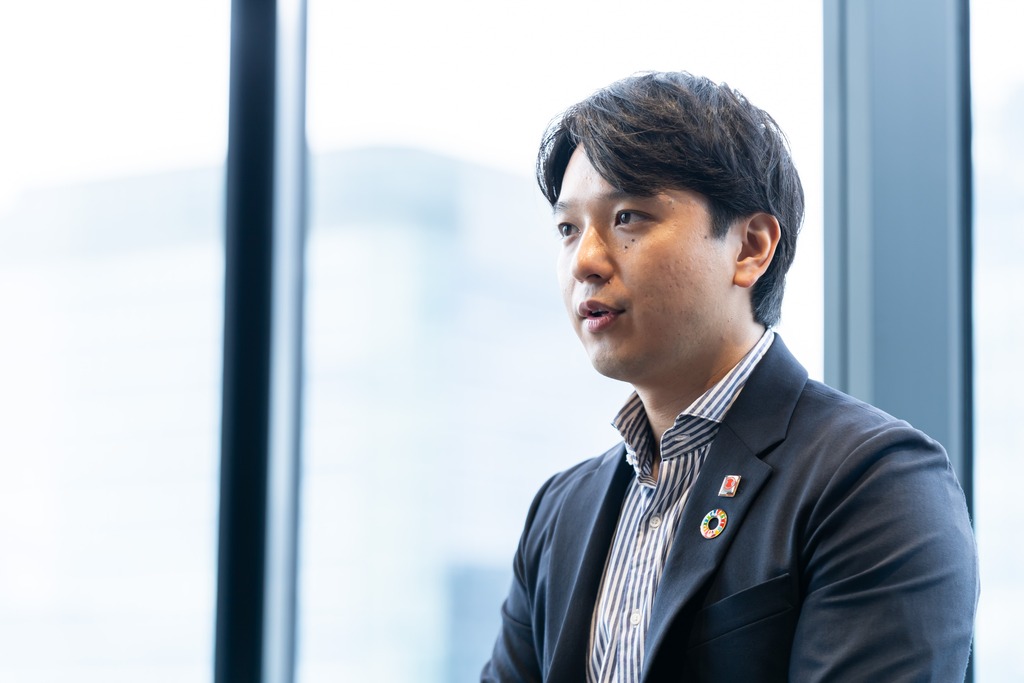
—Now let’s turn to the details of the revision. First, what has been decided so far about the extended retirement age and working beyond 65?
Takahashi: In April 2027, we will raise the current retirement age of 60 to 65. We’re abolishing the current arrangement in which employees reaching retirement at 60 are switched to reemployment contracts with significantly lower compensation, so that they can continue working as regular employees until 65.
For those over 65 as well, we will introduce a framework that allows employees to continue working with no upper age limit, based on their work performance, as long as both they and the company wish to continue. We expect employment after 65 to be renewed on a yearly basis, but the specific employment terms, renewal criteria, and compensation are still being worked out. What I can say is that we have no intention of creating a system where only a limited few can have their contracts extended.
When we describe this as “effectively abolishing mandatory retirement,” we mean removing the “wall” of having your employment ended for no other reason than your age. At the same time, the system does not require every employee to work until 65. The purpose of this revision is, first and foremost, to expand career options.
Over a long life, there are times when you may prioritize family and times when you may prioritize work, and your way of working may change accordingly. Looking at it over a longer time frame, it becomes possible to shape your career more flexibly—for example, scaling back your work for a while and then stepping up again later. For that to work, the company needs to make an effort to create an environment where people want to keep working here, and employees need to keep honing their expertise and capabilities.
—What will working after 60 look like?
Takahashi: After 60, employees will be evaluated and compensated in the same way as before. The purpose of extending the retirement age is to have people continue to apply the experience and knowledge they’ve built up and keep contributing to the company. The principle of evaluating and compensating people according to the roles they take on and the contributions they make stays the same. I’d like people to see it as a system that ensures anyone who still wants to contribute to the company and take on new challenges doesn’t lose the path to growth and impact simply because of their age.
—Next, let’s talk about the retirement benefit plans being revised alongside the extended retirement age. How will they change?
Takahashi: Currently, there are three plans: a defined benefit (DB) corporate pension, in which the company promises a future benefit amount; a defined contribution (DC) pension, in which the company makes contributions and employees invest the funds themselves; and a lump-sum retirement allowance. After the revision, DB and DC will be consolidated into DC, and the lump-sum retirement allowance will be abolished.
What I want to stress here is that the retirement benefits employees have accumulated so far will not disappear. The amounts equivalent to what has been accumulated under DB and the lump-sum retirement allowance will be transferred to each employee’s DC account. Going forward, the company will make contributions to DC, and after being given opportunities to learn through sessions such as retirement benefit briefings, employees will choose their own investment products and build their own assets.
—Why change the retirement benefit system?
Takahashi: Our retirement benefit system has always been based on the idea of supporting a stable life after retirement, and that basic idea does not change with this revision. At the same time, with the extension of the retirement age, we decided to partially review how the retirement benefit system is structured.
Under Japan’s traditional employment practices, retirement allowances have been designed to support people’s lives after retirement. With this revision of the retirement age, the period of employment becomes longer, and so does the period during which people continue to receive a salary by working. In light of these changes, while maintaining the idea of supporting life after retirement, we decided to shift to a system centered on DC, in which each employee builds and manages their own assets.
Looking only at the abolition of the lump-sum retirement allowance, the revision may appear to put employees at a disadvantage. However, taking into account the extended retirement age, compensation for those over 65, and the broader range of career options, the system as a whole is designed to work in employees’ favor. We hope employees will look at the revision as a whole rather than judging each individual element on its own.
—The third element is granting shares to employees*. How do shares connect to the length of employment and retirement benefits?
Takahashi: The first two revisions are about enabling employees to “choose for themselves” how long they work and how they receive retirement benefits. The share grant comes after those choices; it’s designed to let employees experience the company’s growth together with us. This isn’t simply about wanting people to take an interest in day-to-day movements in the share price. We want each person to feel more personally that their work makes the company better, that the accumulation of that work raises corporate value (in other words, the share price), and that the results of their own work are connected to the company’s growth.
Until now, returning the profits generated by the company’s growth may have tended to be seen as something directed at investors. When employees hold shares, returns to shareholders also become returns to employees. Regardless of which company people came from, their nationality, or the organization they belong to, we want everyone to celebrate the company’s growth as “ONE SHIONOGI” and take pride in their work. We hope the share grant will be one way to make that happen.
* The information described here is currently under consideration and may change as a result of future deliberations, procedures, and other factors.
—With these changes, what kind of mindset will be expected of employees?
Takahashi: As options increase, so does the responsibility to think about your career as your own. Everyone’s circumstances and preferred ways of working are different, so we’re no longer in an era where the company presents a single model and everyone follows it.
How do you want to work going forward? What do you want to take on at the company, and what results do you want to achieve? I hope each person will think about their own career and arrive at choices they feel good about.
For our part, the HR Department will offer opportunities such as career planning training as well as briefing sessions on the HR system and the retirement benefit system. We will also provide training for managers so that employees can talk about these matters in settings such as one-on-ones, and support employees in making their choices.
Thinking about what you want to take on and then making it happen leads not only to a sense of fulfillment at work but also to a richer life overall. I myself was given the chance to take on the work I wanted through two internal job postings. That’s exactly why I want to create an environment where every employee can chart their own career, pursue it, and perform at their best wherever they are.
—What has been most important to you as you’ve worked on such a major revision?
Takahashi: When designing a system, I always start by putting myself in employees’ shoes and considering how the system will affect each person’s way of working and their life. At the same time, rather than leaning solely toward the employee perspective, I’ve approached this revision with an eye to making the system sustainable as a whole.
This HR system revision is not the end of the reform. Including the globalization of our HR systems and the system transitions accompanying company integrations, we will continue building the foundation that encourages employees to take on challenges and make an impact, and that enables the SHIONOGI Group to keep growing.
I believe that when each person thinks about their own career and performs at their best in their own role, it leads to SHIONOGI’s growth. The HR Department will continue to value dialogue and support each person’s opportunities to make their own career choices.