Environment
Relationship between SHIONOGI Group’s Activities and the Environment
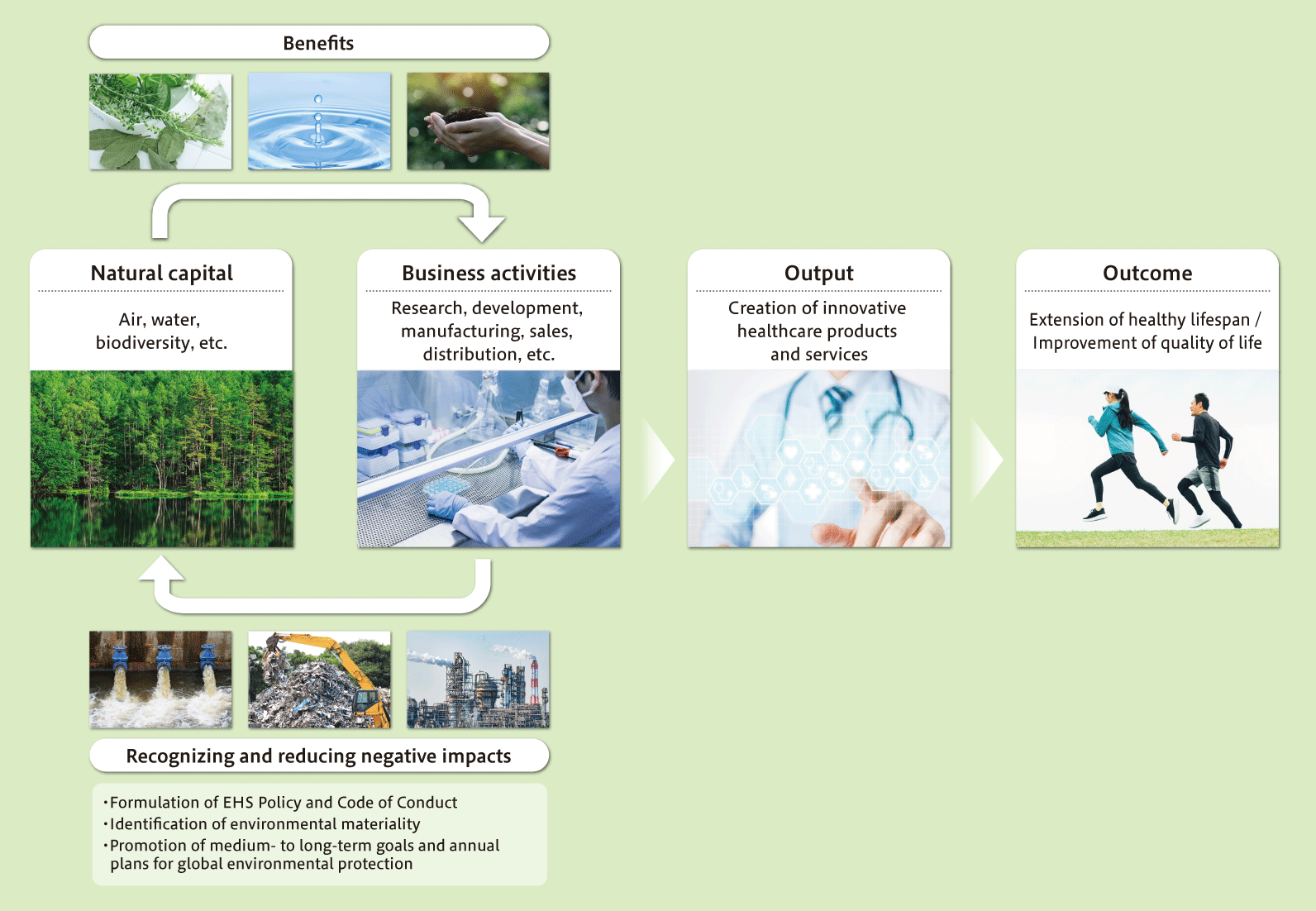
Environmental issues such as climate change, loss of biodiversity, and excessive use of resources have become increasingly serious in recent years, and the importance of addressing these risks is growing. As the value created by companies greatly depends on the various benefits derived from natural capital, companies must recognize the negative impacts of their business activities on natural capital—such as air, water, soil, and biodiversity—and strive to reduce these impacts.
The SHIONOGI Group (“SHIONOGI”) has identified “Protect the environment” as one of its material issues that support the realization of a sustainable society and the growth of SHIONOGI. In addition, we have formulated the SHIONOGI Group EHS Policy and the SHIONOGI Group EHS Code of Conduct to ensure the protection of the global environment and the health and safety of all SHIONOGI employees and local communities.
Furthermore, among the environmental issues recognized by SHIONOGI, we have specifically identified five areas of focus as “environmental materiality”: antimicrobial resistance, climate change, resource conservation and circulation, water, and environmental management and governance. For each of these environmental materiality areas, we have developed “SHIONOGI Group EHS action goals” as targets to be achieved in the medium to long term. By planning and implementing specific activities—including those within the supply chain—to achieve these goals, SHIONOGI aims to contribute to the conservation of the global environment and the realization of a sustainable society through its overall business activities.
Policy / Approach
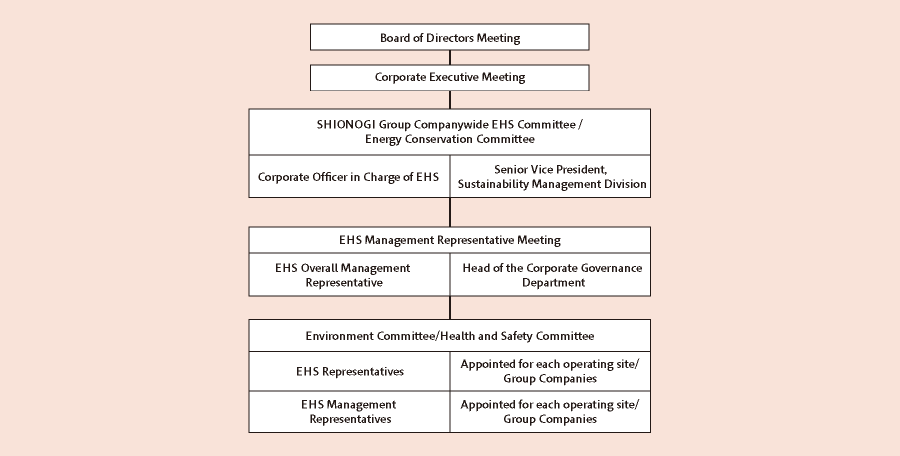
Environmental Management and Governance
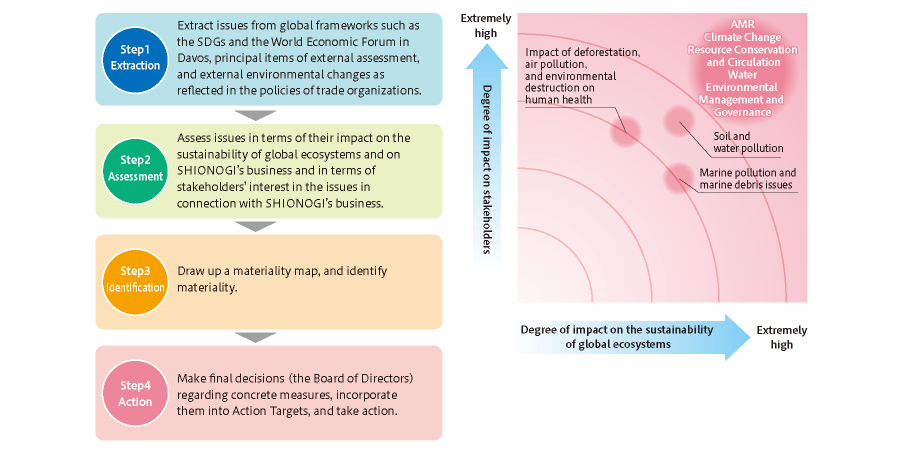
Environmental Topics
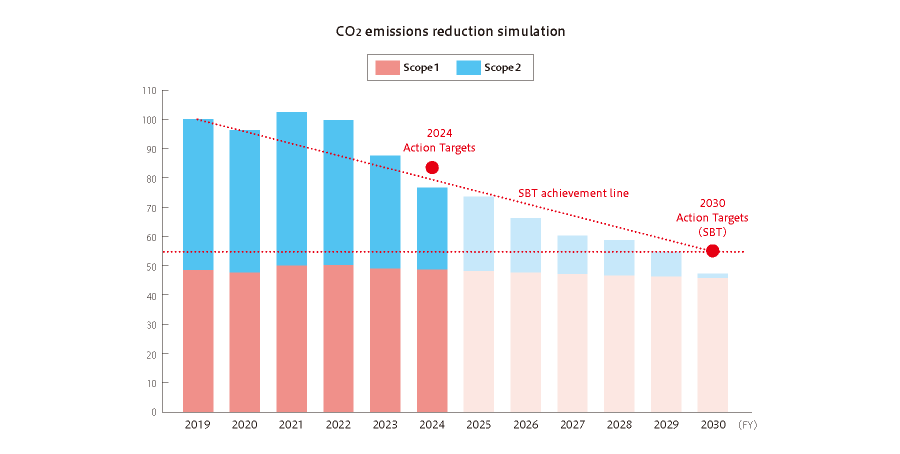
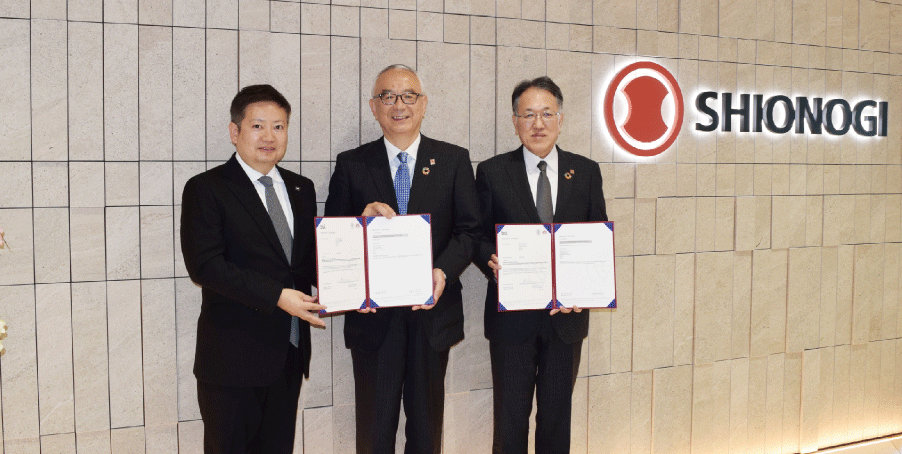
Initiatives for Each Theme
Management of antimicrobial release into the environment
SHIONOGI Group’s climate‑change targets, initiatives, and external activities
Water risk assessment, water resource management, and pharmaceuticals in the environment
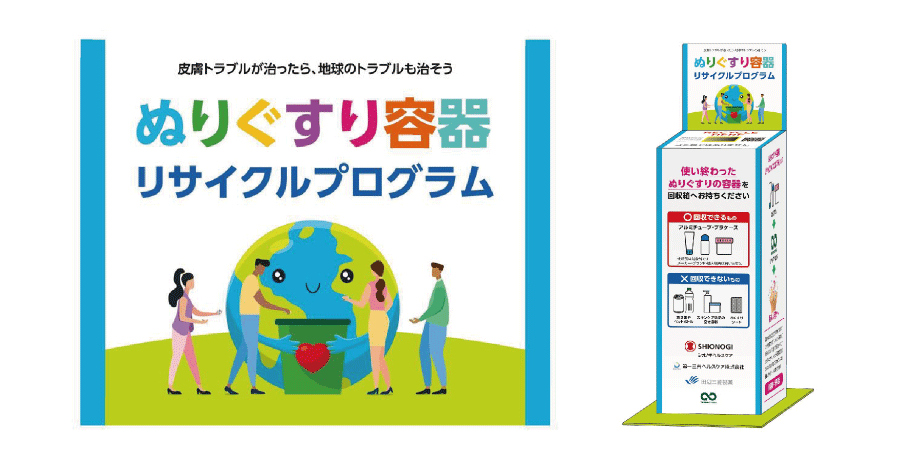
Use of plastics, waste management, and recycling initiatives
Prevention of air, water, and soil pollution, and compliance with related regulations
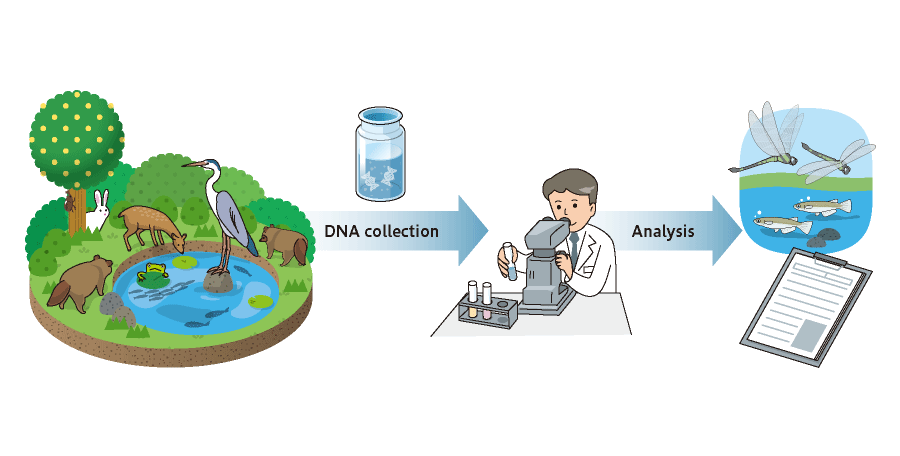
Relationship between business activities and nature, and biodiversity conservation activities